A nursery is the one room where the usual mosquito answers stop being acceptable. Plug-in vaporisers, coils and sprays all put something into the air of a small, closed room, and most parents would rather not. That leaves the option that was always the better one anyway: stop the insects getting in.
This guide covers how to do that properly, and one safety point that matters more than everything else on the page.
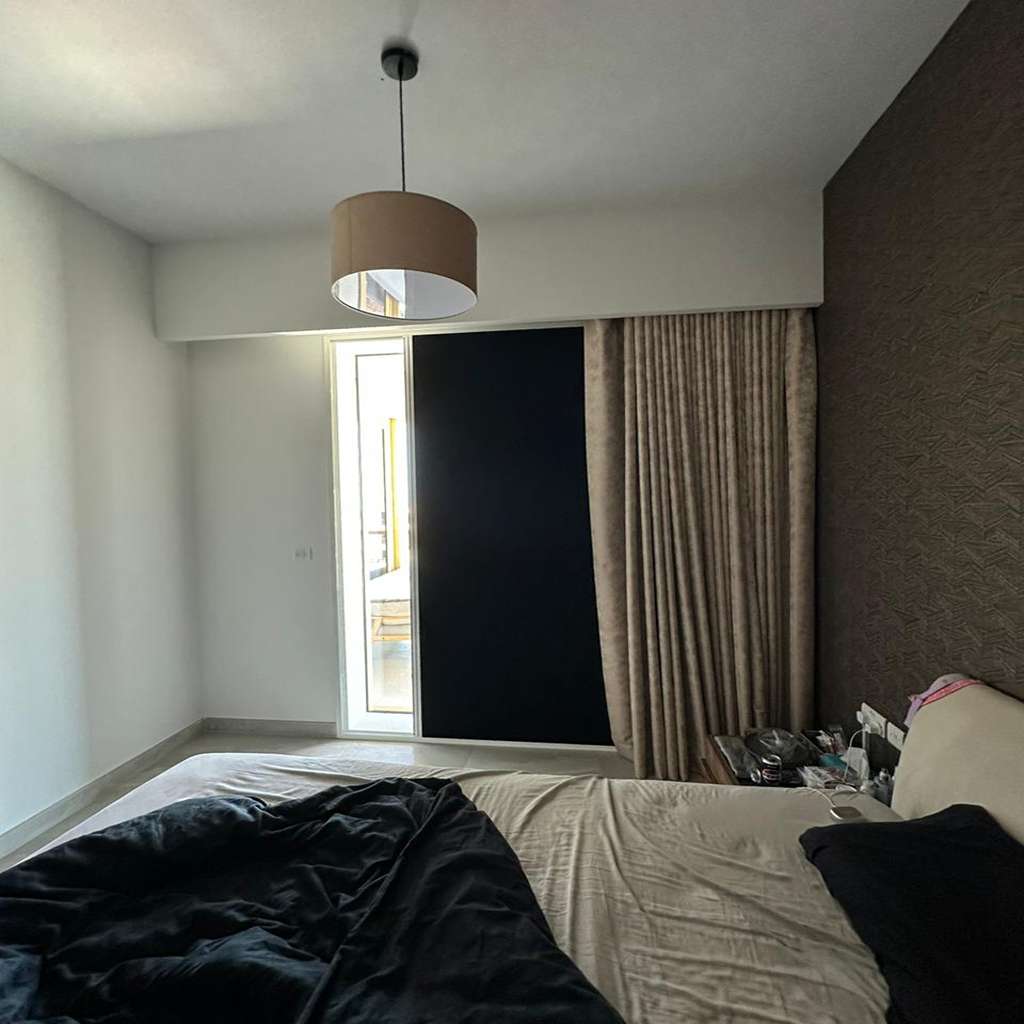
Read this first: screens are not fall protection
A fly screen is an insect barrier. The mesh and its frame are designed to stop a mosquito, not to hold the weight of a child leaning against it. A screen fitted to an openable window above ground level can give a false sense of security, and that is genuinely dangerous.
For a nursery, a fixed screen is the safest option — see our fitted mosquito nets for windows for frame and mesh choices.
If you have an openable window in a nursery above the ground floor, you need a window restrictor or guard — a separate, load-bearing product — in addition to any screen. Never treat one as the other. This is the single most important thing on this page.
Why the nursery is a different problem
Three things make it different from the rest of the home.
The room is usually closed. Anything airborne concentrates rather than disperses.
The occupant cannot move away or tell you. An older child will leave a room that smells wrong. An infant will not.
The window is often wanted open. Through the cooler months a ventilated nursery is more comfortable than a sealed one running air conditioning all night.
Start with the opening, not the cot
The instinct is to put a net over the cot. It is the weaker solution. A cot net protects a sleeping baby inside its canopy; a screened window protects the entire room, all the time, with nothing to remember to close and nothing to tuck in.
Health guidance points the same way — the CDC recommends screens on windows and doors as a primary control, and the WHO lists window and door screens among the measures that reduce contact between mosquitoes and people indoors.
Get the opening right and the cot net becomes optional rather than load-bearing.
Which screen suits a nursery
| Type | Why it suits a nursery | Watch for |
|---|---|---|
| Fixed screen | Nothing to operate, nothing to leave open | Window must still be openable behind it |
| Single pleated | Slim cassette, good airflow, tidy | Keep the cord clear of the cot |
| Roll-up | Stores away when the window is shut | Cord and chain out of reach |
| Sliding panel | Right choice if the room opens onto a balcony | Needs a proper closing seal |
Two details specific to a child’s room. Keep any operating cord, chain or loop well away from the cot and secured — loose cords near a sleeping child are an avoidable hazard. And if the opening is wide, specify a heavier section: a screen that bows away from the frame is a screen with a gap.
Mesh choice for a bedroom
Standard fibreglass mesh is the right default. It stops mosquitoes comfortably while passing the most air, and airflow is the whole point of opening a nursery window in the first place.
Move to a finer grade only if you have a specific problem with smaller insects — a ground-floor room backing onto planting or open sand, for instance. Finer mesh cuts airflow and needs cleaning more often, so do not fit it by default. The grades are compared in our guide to the best screens for keeping mosquitoes out.
The rest of the home matters too
Screening the nursery alone does not help much if insects enter freely through the living room and drift down the hall. The rooms worth covering at the same time are the ones with the largest openings and the most traffic — usually the balcony door and the kitchen window. Our window fly screens and fly screens for doors pages set out what suits each.
Standing water is the other half of it. Plant saucers, empty buckets and AC condensate trays on a balcony are enough to breed mosquitoes a few metres from the window. Emptying them weekly costs nothing.
What to avoid in a nursery
- Plug-in vaporisers and coils in a closed room where a baby sleeps. If you use them at all, use them elsewhere in the home and ventilate.
- Repellents applied to very young skin. Age guidance varies by product and by country — follow the label and your paediatrician, not a blog.
- Electric zappers near the room. They draw insects towards the house.
- Loose net draped over a cot. Fabric that can fall into the cot is its own hazard. A fitted, taut canopy on a proper frame is a different thing from a loose drape.
A routine that actually gets followed
- Screen the nursery window and the nearest large opening.
- Fit a proper restrictor or guard if the window is above ground level.
- Check the screen edges once a month with a light behind them — any line of light is a gap.
- Vacuum the mesh on a low setting every few months. Our UAE maintenance guide covers the detail.
- Empty standing water on the balcony weekly.
Questions parents ask
Is a fly screen safe around a baby?
The mesh itself is inert and releases nothing. The things to manage are operating cords near the cot and the fall-protection point above.
Can we still open the window at night?
That is the point of fitting one. A screened open window gives you night ventilation without insects.
Will a screen make the room stuffy?
Standard mesh takes a small amount of airflow. A screened open window moves far more air than a closed one.
My screen has a small tear.
Fix it rather than living with it — a gap makes the whole screen pointless. This guide explains whether you need a patch, a re-mesh or a new screen.
What does it cost to screen a nursery?
A single bedroom window is at the lower end of the range. Prices by screen type are on the fly screen price page.
Want the nursery done properly? Book a free measurement visit and we will look at the opening, the clearances and the cord routing before quoting. See all our services or the homepage.