Fly Screens are your first line of defense against annoying insects, dust, and even pollutants, allowing you to enjoy fresh air without unwanted intrusions. But what happens when your screen gets damaged? A small tear, a ripped corner, or a gaping hole can compromise your comfort and home hygiene. Don’t worry this isn’t a reason to panic or throw out the entire screen.
With a few simple tools and the right technique, you can restore your fly screen to near-new condition quickly, affordably, and without calling in a professional. Whether it’s a screen door or a window screen, this guide will walk you through the most effective solutions to repair torn or damaged fly screens quickly and efficiently saving you time, money, and frustration.
Assess the Damage
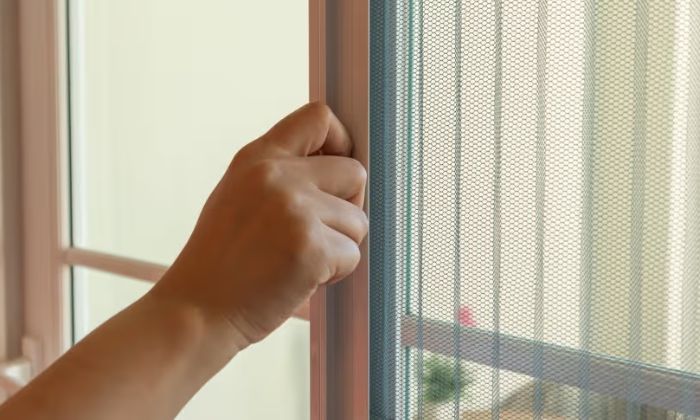
Before jumping into any repairs, it’s crucial to assess the extent of the damage. Is it a small hole or tear, or has a section of the mesh been pulled out from the window frame? A quick inspection will help you determine whether you need a temporary quick fix or a more permanent solution like replacing a section of the screen.
Light can help you detect even the tiniest holes just hold the screen up to the sun or a flashlight. Look for small holes, long tears, frayed edges, or sagging mesh. This step will help you decide whether you can apply a fly screen patch kit, use DIY screen repair tips, or if you need to replace torn insect screens entirely.
Quick Repair Methods
For those short on time or facing unexpected damage during a season when bugs are everywhere, a quick fix can be a lifesaver. Screen repair tape is one of the fastest and easiest ways to handle small tears or holes. Simply cut a patch slightly larger than the hole, press it over the damage, and you’re done.
These repair tapes work best on fiberglass or nylon meshes and are ideal for temporary fixes until you have time for a more thorough repair. Another method is using mesh patches or glue-based screen patches. These are also fast, budget-friendly, and don’t require removing the screen from the frame.
Using Fly Screen Patch Kits
Fly screen patch kits are an essential tool for anyone serious about keeping their screens in top condition. These kits typically include pre-cut mesh patches, fabric glue, or adhesive backing that allows you to stick the patch directly over the damaged screen. To use, simply clean the area, cut a patch slightly larger than the hole or tear, apply fabric glue or use the adhesive side, and press the patch firmly onto the mesh.
Make sure to let it dry completely for long-term durability. Screen repair kits are perfect for homeowners who want a hassle-free and efficient solution to fix damaged screen doors and window screens without replacing the entire mesh.
Applying DIY Fixes
If you’re a hands-on person who enjoys creative problem-solving, DIY fixes offer a cost-effective and personalized approach to screen repair. One of the most common techniques is using a replacement screen mesh and securing it with household items like strong double-sided tape or a glue gun. Another smart trick is using clear nail polish or super glue to seal very tiny holes.
This method prevents them from spreading and can last surprisingly long. For more resilience, especially in homes with pets or children, applying small patches cut from old screens and attaching them with glue is a reliable DIY fix. Whether it’s mesh repair for a window screen or a screen door, these methods help extend the life of your fly screens without requiring specialized tools.
Sewing Small Tears
You might not think of needle and thread when it comes to fixing a window mesh, but sewing is actually an effective way to handle small, straight tears. For this method, use a durable thread and needle to stitch the tear closed, just like you’d mend fabric. This technique works best on nylon or polyester screens and offers a neat, almost invisible repair when done carefully.
You can even seal the stitching afterward with a small dab of fabric glue for extra security. It’s not just a temporary fix, it can be surprisingly long-term, especially when the tear isn’t in a high-stress area of the screen.
Replacing a Section of the Screen
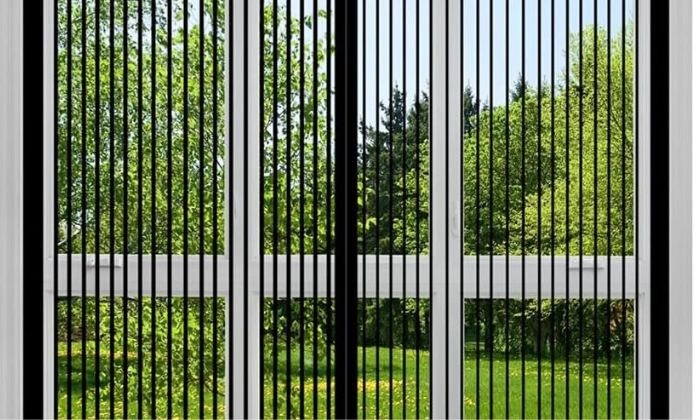
If the damage is extensive or located in a critical part of the screen, replacing a section might be the most reliable option. Begin by removing the screen frame and laying it flat on a surface. Use a utility knife to carefully cut out the damaged area, then cut a patch from a new replacement screen that’s slightly larger than the section removed.
Secure it using a spline roller and a new spline to press the mesh into the window frame groove. This technique ensures a high-quality, professional-looking repair that can withstand daily wear and tear. It’s especially useful when you’re dealing with larger holes and tears that simple patch kits can’t cover.
Preventive Tips to Avoid Future Damage
Routine inspections and maintenance are key to preventing future screen problems. Make it a habit to check your fly screens every season especially before summer or monsoon hits. Look for small holes before they become bigger and reinforce weak spots early. Prevention saves you both time and money.
One smart habit is gently vacuuming the mesh to remove dust and debris without using too much pressure that could weaken it. Lubricate the window frame or screen door tracks to ensure smooth operation and reduce wear.
Keeping pets and sharp objects away
Pet claws, sharp toys, or even accidental impacts can easily tear your fly screens. If you have pets, consider installing a pet-resistant mesh made of tougher materials like vinyl-coated polyester.
These screens are designed to withstand claws and playful paws. Also, keep sharp objects away from windows and screen doors. Educating family members and children about how to handle and operate screen doors properly also makes a big difference in preventing damage.
Installing more durable or pet-resistant mesh
Upgrading to more durable mesh materials is a smart investment for long-term protection. If you frequently face screen damage, it may be time to move beyond traditional fiberglass mesh. Modern alternatives like stainless steel or pet-resistant polyester meshes are designed to endure more stress and last longer.
While they may cost slightly more upfront, they reduce the need for frequent repairs and can handle daily challenges like strong wind, pets, and environmental exposure.
When to Call a Professional
While DIY solutions work well for minor to moderate damage, there are situations where calling a professional is the best option. If the entire screen needs to be replaced, or if you have custom-shaped windows and doors that require precise measurements, a professional service can ensure a perfect fit and flawless installation.
Additionally, if you’re not confident in your repair skills or simply don’t have the time, hiring an expert guarantees a high-quality outcome. Some screen repair services even offer mobile units that come to your home and do the job on-site, saving you the hassle of removing and transporting the screen frames.
Our fly screen mesh replacement page lists what re-meshing each frame type costs. If we fitted the screen within the last twelve months, check the fly screen warranty first — mesh that has sagged or pulled out of the spline is covered, so there is nothing to pay. A screen door that bangs or will not latch is a different fault again — that is the door closer, and it adjusts with a screwdriver.
Before reaching for a patch, it is worth checking whether the frame is still sound — this repair, re-mesh or replace decision guide walks through the diagnosis in five minutes.
Small tears can be patched, but badly stretched mesh is better handled by made-to-measure fly screens built to the original opening.
Conclusion
Fly Screens are more than just mesh barriers; they’re a vital part of keeping your home comfortable, healthy, and pest-free. Damage to them doesn’t mean you have to suffer through mosquito bites or sacrifice your fresh air. With the right approach, whether it’s using a screen patch, sewing up small holes, or applying a fly screen patch kit, you can breathe new life into your damaged screen.
From quick fixes like repair tape to more lasting solutions like replacing torn insect screens with a new replacement screen, there’s a method for every situation and budget. Keep your home protected, your air fresh, and your stress levels low. Don’t let a small tear become a big problem grab your screen repair kit and bring your fly screens back to life today.