Complete Fly Screen
& Mosquito Net
Services in Dubai
Custom-made fly screens and mosquito nets for every window, door, and opening in Dubai. 9 screen types. Free measurement at your property. From AED 450. Installed in 4–7 days with a 1-year warranty.
See Our Fly Screens Installed Across Dubai
Watch how our retractable pleated fly screens look and operate after installation — real Dubai villa and apartment projects.
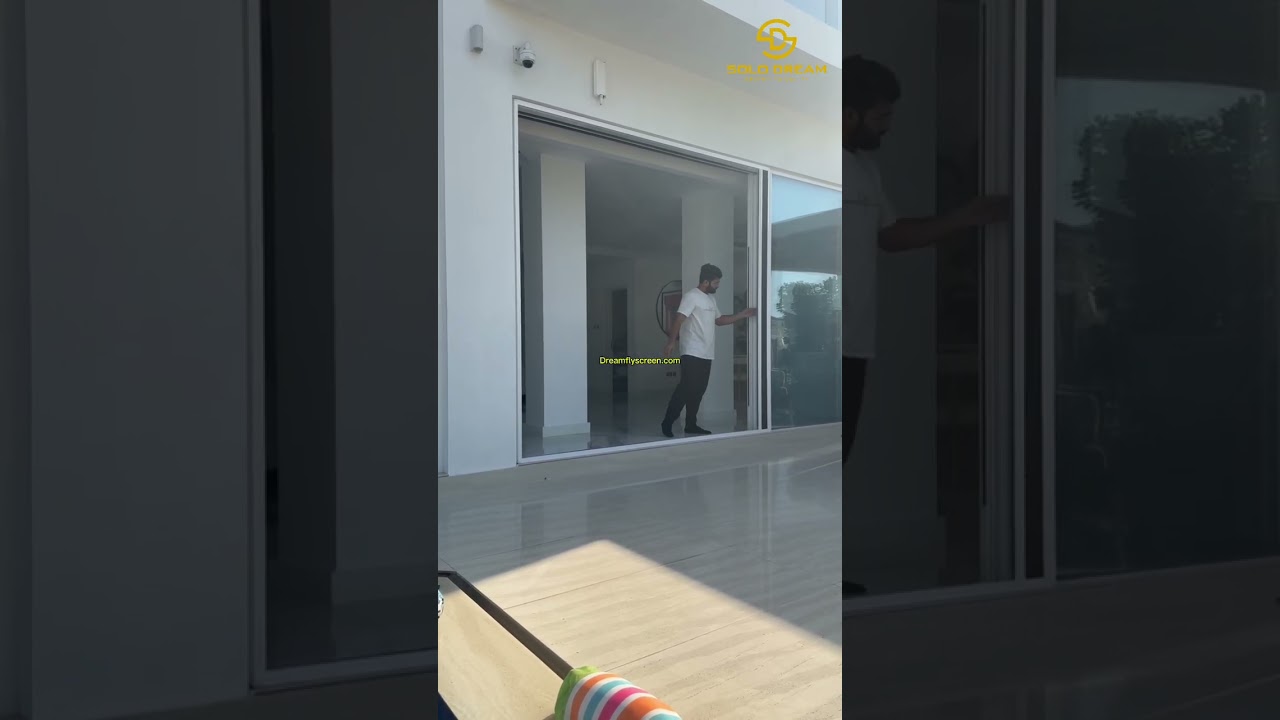
Villa window installation — black mesh, white frame
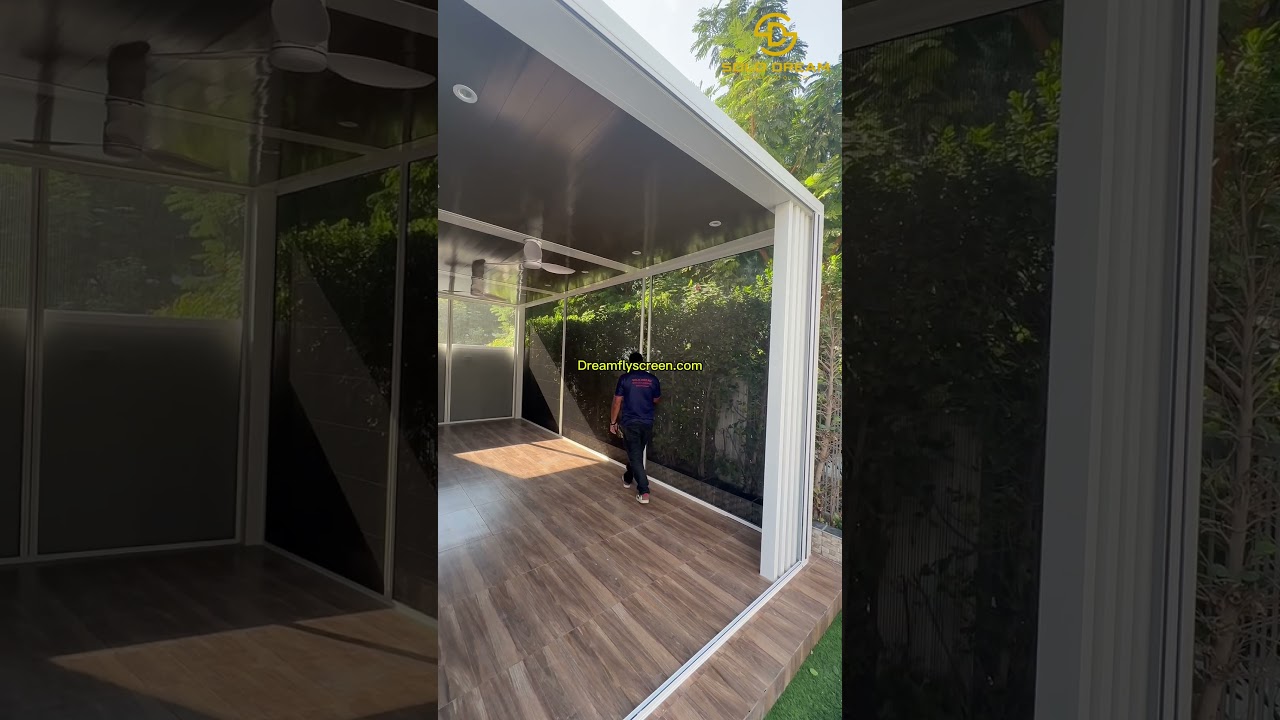
Panoramic villa window — wide span, reinforced frame
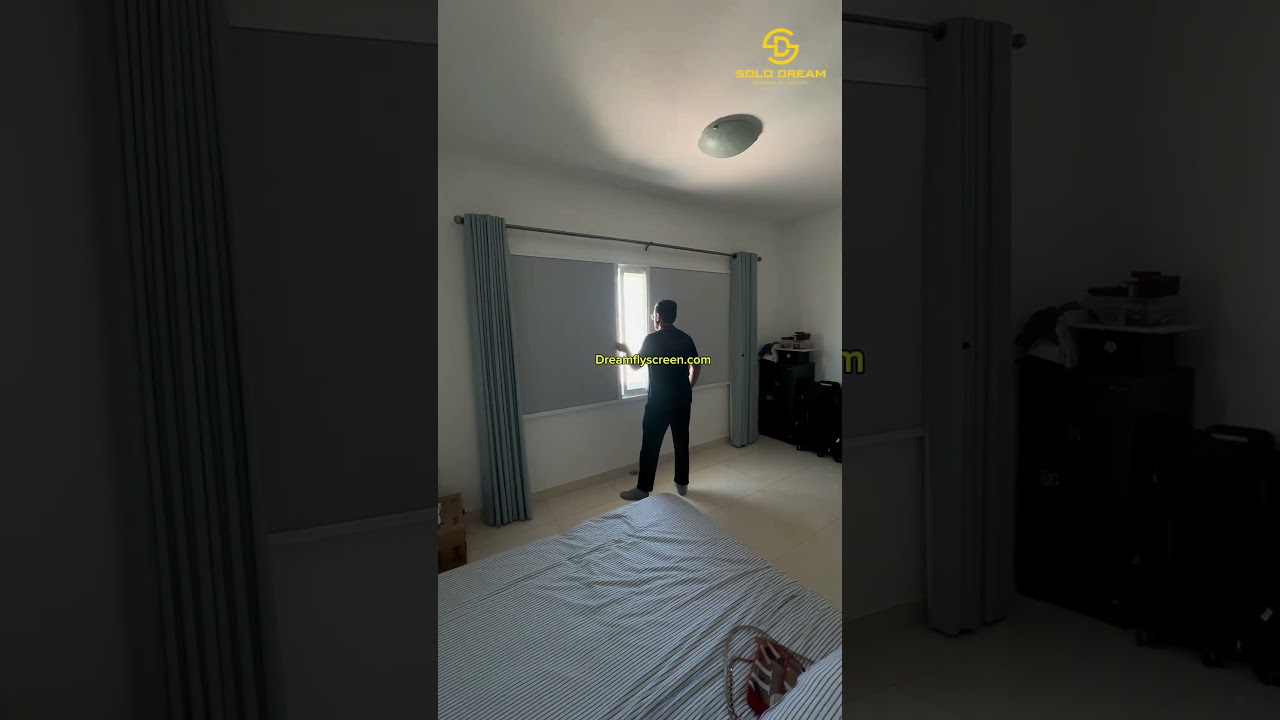
Privacy blind and fly screen in one unit — apartment window
9 Fly Screen Types — Every Opening Covered
Every fly screen is custom-made to your exact opening dimensions at our Deira workshop. Free measurement at your property across all Dubai. No standard sizes — every screen fits perfectly. If you are still deciding whether you need screens at all, start with why fly screens are necessary in Dubai. Already have screens with torn mesh? See fly screen mesh replacement.
Single Fly Screen
The most popular retractable pleated fly screen in Dubai — one panel sliding across windows or doors. Aluminium frame, black or grey mesh. Folds to the side when not needed.
Double Fly Screen
Two panels meeting in the middle — for wider window and door openings. Each panel folds independently to its own side. Custom made for any wide opening.
Two-Way Fly Screen
Pushes open from both directions — like a saloon door. The standard choice for kitchen and garden access doors where you carry things through from both sides.
Motorized Fly Screen
Electric fly screen operated by remote control, wall switch, or smart home system. The premium choice for wide patio and bifold doors. Completely hidden in a top cassette when not in use.
Roll-Up Fly Screen
Rolls up completely into a slim cassette at the top of the frame when open — completely invisible. For openings where appearance is the priority and the screen should disappear entirely.
Hinged Fly Screen
Top-rail only — no floor track. The standard choice for apartment balcony doors where the balcony floor must stay completely clear. Slides smoothly on the top rail alone.
Extra Wide Fly Screen
For openings wider than standard — panoramic windows, wide terrace openings, and large glass walls in villas. Engineered for wide spans with internal reinforcement.
Blind Screen
A privacy blind and a fly screen combined in one unit. Provides insect protection and privacy simultaneously — popular for ground-floor bedroom windows and living rooms facing the street.
Fixed Fly Screen
Permanent aluminium-framed insect mesh that stays in place year-round. The most economical option — ideal for bathroom windows, utility vents, and openings that are rarely or never opened.
From First Call to Installed Screen — 4 Steps
Simple, fast, and completely free to start. No obligation at any stage until you confirm your order.
Why Dubai Residents Choose Dream Fly Screen
10+ Years Dubai Experience
Over a decade installing fly screens across every Dubai community — from Deira apartments to Emirates Hills mansions. We know what works in Dubai's climate.
Custom Made — Every Size
No standard sizes. Every screen is manufactured to your exact opening dimensions at our Deira workshop. Perfect fit guaranteed on every installation.
Any Frame Colour — Free
White, grey, dark grey, black, bronze — any RAL colour matched to your existing window frames at no extra charge. Every screen looks like it belongs.
4–7 Day Turnaround
From free measurement to installed screens in 4 to 7 days. No long waits, no delays. Manufacturing and installation managed entirely in-house.
1-Year Full Warranty
Every installation carries a full 1-year warranty covering the frame, mesh, all fittings and mechanisms, and workmanship. We return and fix anything that fails.
Written Quote On The Spot
Every measurement visit ends with a written quote before we leave. No chasing, no surprises. The quoted price is the final price.
No Call-Out Charge
The measurement visit is completely free across all Dubai communities. No travel charge, no minimum order, no obligation to proceed.
9 Screen Types
Single, double, two-way, motorized, roll-up, hinged, extra wide, blind screen, and fixed — every screen type for every opening in Dubai homes.
Fly Screen Services by Opening Type
Specific guidance for every type of opening in your Dubai home — windows, doors, balconies, and sliding doors.
Fly Screen Prices — All Types
Transparent pricing. All prices include free measurement, custom manufacturing, and professional installation. No hidden charges.
Fly Screen Services Across All Dubai Communities
Free measurement and installation across 21 Dubai communities. No call-out charge anywhere in Dubai.
Book Your Free Fly Screen Measurement Today
Free measurement at your Dubai property. Written quote before we leave. Custom made in 4–7 days. 1-year warranty on everything.
8 34A St - Hor Al Anz, Deira, Dubai, UAE · Contact@dreamflyscreen.com · Mon–Sat 9AM–6PM