Mosquito Net, Mosquito Netting, Fly Screen — All the Same Product in Dubai
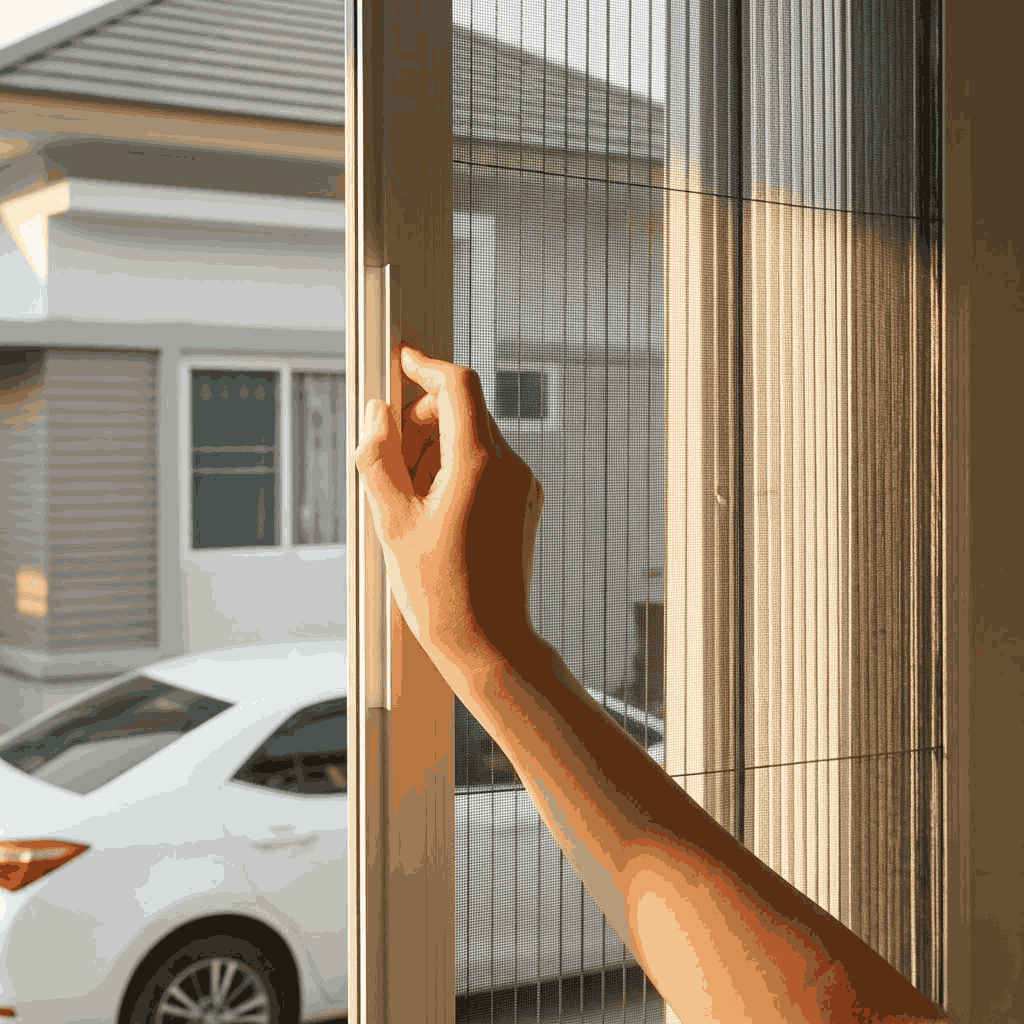
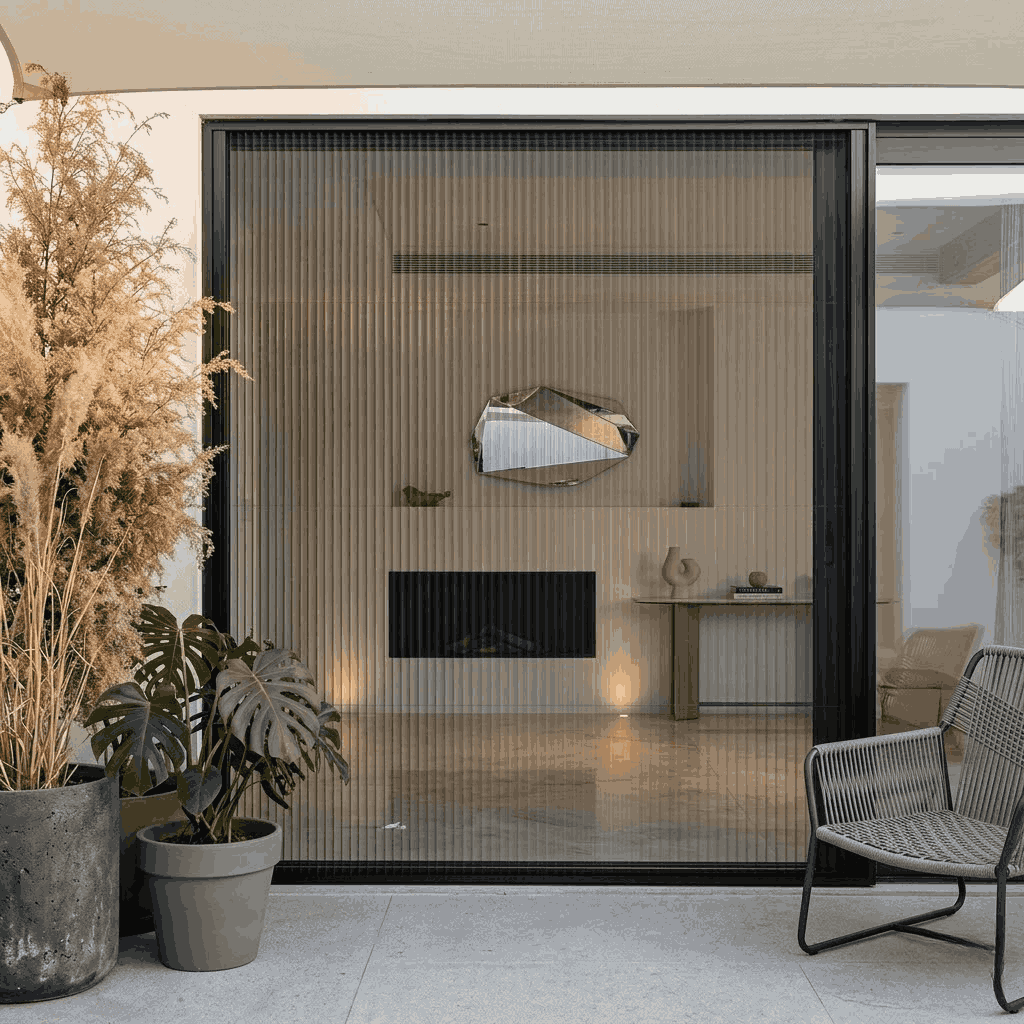
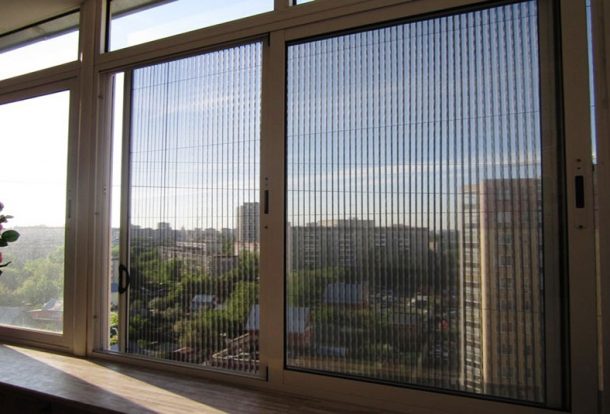
The single most common question at Dream Fly Screen is: "What is the difference between a mosquito net, mosquito netting, mosquito mesh, and a fly screen in Dubai?" The answer is direct — they are all the same product. A fine mesh barrier, fitted to a window or door opening in an aluminium frame, that blocks insects while allowing full airflow through your home.
Dubai is home to over 200 nationalities, and people naturally use the term they grew up with. South Asian and African communities most often say mosquito net. British and Australian expats say fly screen. Europeans often say insect netting or mosquito mesh. At Dream Fly Screen, we supply the same premium custom product no matter what name you use — a retractable pleated fly screen built to your exact window or door dimensions, in your chosen frame colour, with grey or black fiber mesh.
Why Every Dubai Home Needs Mosquito Netting
Dubai's warm climate creates year-round mosquito and insect activity — unlike temperate countries where insects are only seasonal. Understanding when and where insect activity is highest helps you choose the right mosquito netting for your home:
Days of insect activity
Dubai mosquitoes are active throughout the year, not just in summer. Even in cooler months, mosquitoes shelter indoors and remain active in the evenings.
Chemicals required
Physical mosquito netting provides complete insect protection with no sprays, no plug-in devices, no ongoing cost, and zero chemical exposure for your family and children.
Hours of protection
A properly fitted mosquito net works automatically every time you open your window — day and night, no effort required, no batteries, no refills.
As the World Health Organization confirms, physical mesh barriers remain the most effective household method of preventing insect entry in warm climates. Properly installed mosquito netting on your windows and doors is more reliable than any spray, coil, or plug-in device — it works constantly, costs nothing to run, and poses no health risk to your family.
Which Dubai Areas Have the Highest Mosquito Activity?
While every area of Dubai benefits from mosquito netting and fly screens, some locations experience significantly higher insect activity due to their landscape and proximity to water:
| Area / Community | Insect Level | Main Reason |
|---|---|---|
| Al Barari Dubai | Very high | Dense landscaping, water features, botanical gardens |
| Arabian Ranches | High | Extensive parks, golf course, green belts |
| The Meadows & The Springs | High | Lakes, canals, and mature landscaping throughout |
| Emirates Hills | High | Golf course, mature trees, private pool gardens |
| Palm Jumeirah | Medium-high | Coastal location, villas with sea-facing gardens |
| Dubai Hills Estate | Medium | Golf course, park areas, new landscaping |
| Damac Hills | Medium | Trump golf course, water features, gardens |
| JVC, Downtown, Business Bay | Standard | Urban setting — balcony doors are the main entry point |
Mosquito Netting for Windows & Doors in Dubai — All 8 Types
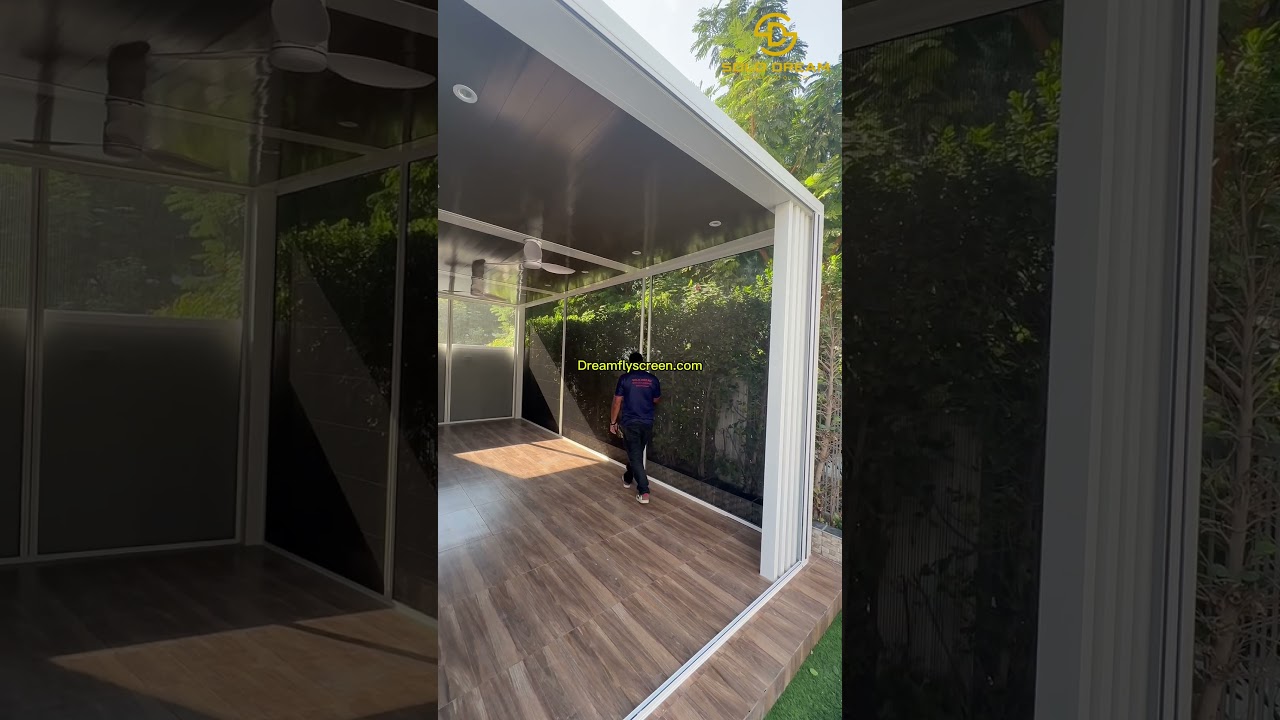
Dream Fly Screen offers 8 types of mosquito netting and fly screen for windows and doors across Dubai. All 8 types use the same premium retractable pleated fiber mesh and custom aluminium frames. The differences are in the mechanism and application:
Single Fly Screen
One panel — standard windows & doors
From AED 450 →Double Fly Screen
Two panels — wide openings & patio doors
From AED 650 →Two-Way Fly Screen
Push open from either direction
From AED 900 →Extra Wide Fly Screen
Oversized villa windows & glass facades
On quote →Hinged Fly Screen
Balconies & terraces — no floor track
On quote →Roll-Up Fly Screen
Retractable cassette — hidden when not used
On quote →Blind Screen
Blind + mosquito netting in one unit
On quote →Motorized Fly Screen
Electric — remote control & smart home
On quote →Mosquito Net for Windows vs Mosquito Net for Bed in Dubai
Dubai residents searching for a mosquito net for bed are sometimes looking for a different product — the traditional canopy net that drapes over a bed. Dream Fly Screen does not supply bed canopy nets. What we supply is mosquito netting for windows and doors — a permanent, architectural solution that stops mosquitoes from entering your bedroom in the first place, making a bed net unnecessary.
A window mosquito net from Dream Fly Screen is a significantly better solution than a bed net for Dubai homes:
- Window mosquito netting — installed once, works permanently, requires zero effort each time you sleep, protects the whole room including children who move around during sleep
- Bed mosquito net canopy — must be tucked in correctly every night to work, easily disturbed during sleep, does not protect the rest of the room, degrades quickly in Dubai's humidity
If you searched for mosquito net for bed Dubai and arrived here — the window mosquito netting Dream Fly Screen installs solves the same problem more effectively, permanently, and with no nightly effort. Starting from AED 450 per window, it is also a more cost-effective long-term solution.
Mosquito Net for Doorways in Dubai
A mosquito net for doorway — also called a door fly screen or door insect netting — is one of the most requested products at Dream Fly Screen. Dubai apartment and villa doors are major entry points for mosquitoes, particularly balcony doors that residents like to keep open for ventilation in the evenings.
Dream Fly Screen installs several types of mosquito netting for doorways in Dubai:
- Single fly screen for doors — hinged screen that opens outward alongside your main door. The most common and affordable option from AED 800
- Two-way fly screen — pushes open from either direction — ideal for kitchen doors and high-traffic doorways in villas
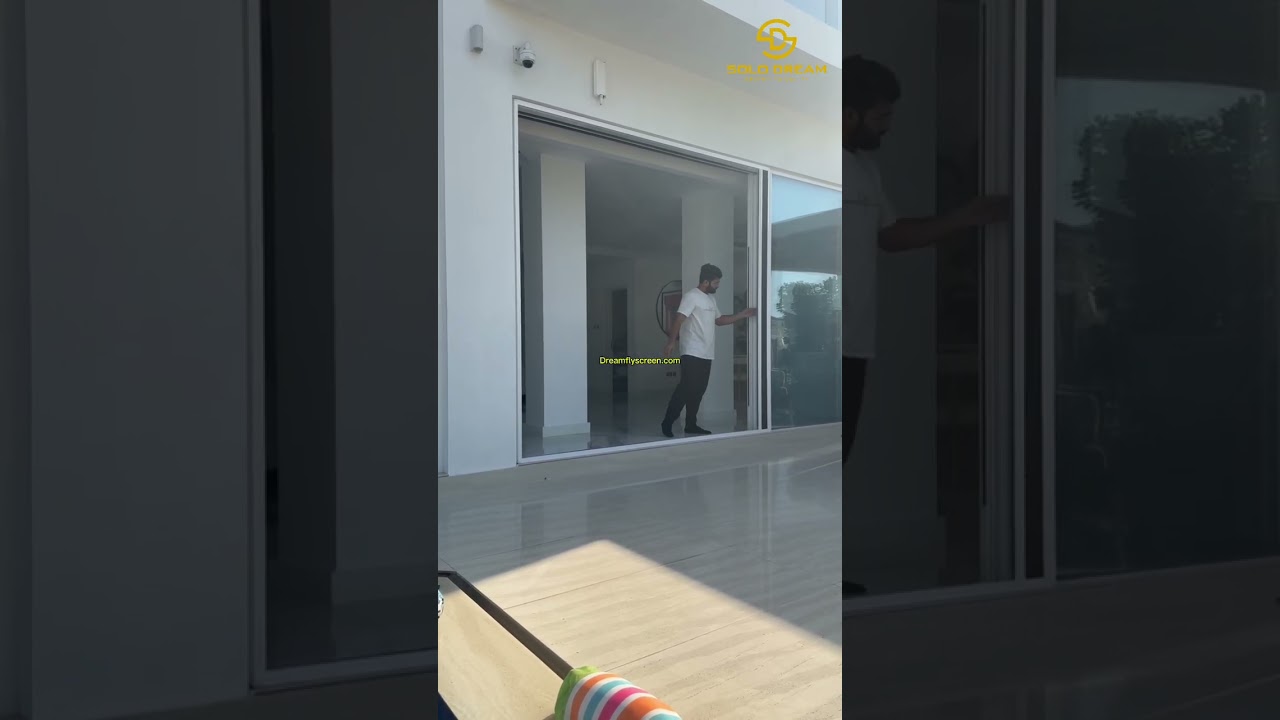
- Hinged fly screen for doorways — slides horizontally along a top track — ideal for balcony door openings with no floor track
- Motorized fly screen for doors — opens and closes electrically — perfect for wide patio doors and smart home properties
Visit our dedicated fly screen for doors Dubai page for full details on all door screen options. Our guide to the best mosquito net for doors in Dubai compares all six door options with installed prices.
Mosquito Mesh Options — Frame Colour & Mesh Colour
Every mosquito net and fly screen at Dream Fly Screen is built with a custom aluminium frame in any colour — white, grey, black, brown, bronze, or any custom RAL colour. The frame is colour-matched to your existing window or door frame so the mosquito netting looks permanently designed into your home.
Mesh colour options:
- Grey mosquito mesh — neutral, classic, suits any frame colour
- Dark grey mosquito mesh — subtle and versatile, less visible than standard grey, the most popular choice across Dubai villa communities
- Black fly mesh — almost transparent from inside, barely visible when looking outward — most popular in villas with garden, pool, or sea views. Especially popular in Emirates Hills and Palm Jumeirah
Frame colour and mesh colour choices do not affect the fly screen price — all options are included in the standard quote.
How Mosquito Net Installation Works in Dubai
Getting mosquito netting installed in your Dubai home by Dream Fly Screen is a simple 3-step process that takes 4–7 days from first contact to installed screens:
- Step 1 — Free measurement visit: Contact us by WhatsApp or phone. We visit your property anywhere in Dubai, measure every window and door you want to screen, discuss frame colour, mesh colour, and screen type — and provide a written quote before we leave. No obligation.
- Step 2 — Custom manufacturing: Your mosquito nets and fly screens are manufactured at our Deira workshop to your exact dimensions. Frame powder-coated to your chosen colour, mesh installed under tension, all mechanisms tested.
- Step 3 — Professional installation: Our installation team returns and fits every screen. Mosquito netting is secure, gap-free, and properly sealed. Process takes 4–7 days from measurement to installed screens — across all Dubai areas.